

+86-571-63780050
+86-18918137728
19941084290
Контент
Marble partition glass is one of those materials people fall in love with on Pinterest and then panic about when the quote arrives. The good news: it's far more flexible than it looks, and once you understand the three or four real decisions behind it, ordering becomes simple. This guide walks through what marble partition glass actually is, where it performs well, what it costs, and the mistakes that cause most regrets.
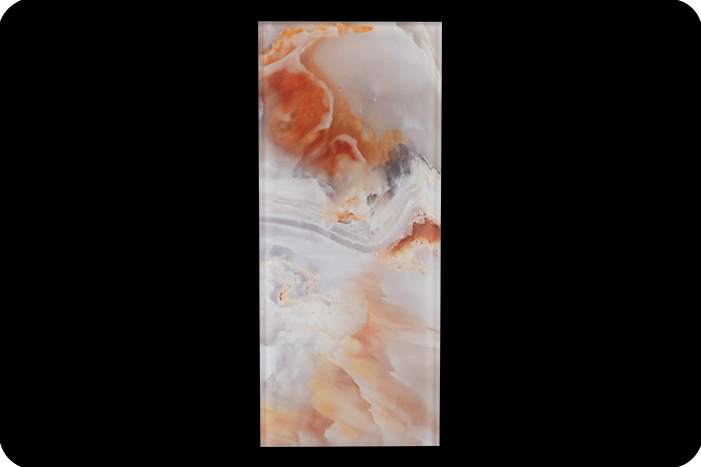
What People Actually Mean by Marble Partition Glass
The term covers two different products, and mixing them up is the number one source of confusion when you talk to suppliers.
Marble-Look Glass Panels
Here the glass itself carries the marble pattern. A veining image is either digitally ceramic-printed onto the glass and fired in, or a marble-pattern interlayer is sandwiched between two sheets of glass and laminated. The result is a full-height panel that reads as stone from a distance but weighs a fraction of it and can be translucent or fully opaque. This is the practical choice for apartments, rental offices, and any floor that can't carry slab weight.
Real Marble Framing Clear Glass
The second version uses genuine stone as the structure — marble mullions, a marble base curb, or marble-clad posts — with clear or reeded glass filling the openings. It's heavier, more expensive, and needs structural checking, but nothing else matches the depth and coolness of real stone at close range. Hotel lobbies and high-end dining rooms almost always use this version.
Where a Marble Glass Partition Earns Its Keep
A marble and glass room partition solves a specific problem: you want to divide space without making either side feel like a closet. Because the panel splits light rather than blocking it, both zones stay usable.
- Entryway screens — a 1200–1500mm wide panel just inside the door blocks the sightline to the living room while daylight still reaches the hall.
- Open-plan kitchen and dining separation, where a half-height marble base plus glass above keeps cooking smells contained visually without walling anything off.
- Home office corners carved out of a bedroom or living area, using a marble effect laminated glass panel for privacy on video calls.
- Bathroom dry-and-wet separation, where the stone look survives humidity that would destroy wood or MDF.
- Reception areas and meeting rooms that need a branded, premium first impression without a permanent build.
Specs You Should Confirm Before Ordering
Most disappointing installations trace back to a spec decided by the supplier instead of by you. Lock these down in writing.
|
Item |
Typical Option |
Why It Matters |
|
Glass thickness |
8mm fixed, 10–12mm for doors |
Thin glass flexes and rattles in tall panels |
|
Safety rating |
Tempered or laminated |
Required by code in most occupied spaces |
|
Frame finish |
Brushed brass, black, champagne |
Sets the whole mood; hard to change later |
|
Pattern scale |
Book-matched or random vein |
Small repeating veins look printed and cheap |
|
Opacity |
Translucent to fully opaque |
Decides how much daylight passes through |
Budget: What the Numbers Usually Look Like
Printed marble-look glass in a slim aluminum frame commonly lands around 80–180 USD per square meter of panel, installed, depending on your market and frame finish. Laminated marble-pattern glass with a designer interlayer moves into the 200–350 range. Real stone mullions with clear glass start around 400 per square meter and climb quickly once you add book-matching, edge polishing, or a pivot door. A typical 2.4m tall by 1.5m wide entryway screen therefore runs from roughly 300 dollars at the budget end to well over 1,500 for the stone version.
Two costs get forgotten: site measurement after your floor finish is down, and the hardware. Cheap floor guides and hinges will undo an expensive panel within a year, so put roughly ten percent of the budget into quality hardware rather than upgrading the pattern.
Installation Realities Worth Knowing
Measure After Flooring, Not Before
Glass cannot be trimmed on site. A 12mm tile layer added after measurement means a panel that no longer fits, and a remake you pay for. Always schedule the survey once the finished floor and ceiling levels exist.
Fixing Into Something Solid
A full-height partition needs anchors into concrete, steel, or properly located studs. Plasterboard alone will sag and let the panel drift out of plumb. If the ceiling is a suspended grid, ask the installer to run backing steel above it before the frame goes up.
Keeping It Looking New
Glass wins here. A marble look glass divider cleans with mild soap and a microfiber cloth, and it never needs sealing, unlike genuine stone which stains from oil and acidic spills. Avoid ammonia-heavy sprays on printed panels and skip abrasive pads entirely — they dull the surface and the damage is permanent.
Mistakes That Cause Regret
- Choosing a pattern from a phone screenshot instead of a physical sample viewed against your own wall and lighting.
- Going fully opaque in a room with a single window, which turns the back half of the space dark all day.
- Ignoring acoustics — a glass partition divides sight, not sound, so don't expect it to mute a meeting or a TV.
- Mixing three metal finishes in one room because the partition frame was ordered separately from the door hardware.
- Skipping tempered glass in a home with children or pets to save a small amount on the quote.
Handled carefully, marble partition glass gives you the visual weight of stone with the lightness and daylight of glass — a combination no solid wall can match. Decide early whether you need real stone or a convincing glass version, confirm the thickness and safety rating in writing, measure after the floor is finished, and spend properly on hardware. Get those four right and the panel will still look intentional a decade from now.
